AFCI Locations Show Networking Landscape
The March 5–7, 2015 AFCI Locations Show concentrated location professionals, producers, scouts, film commissioners and vendors into a focused marketplace for projects and partnerships. Attendance brought a mix of creative decision makers and logistical specialists who seek sites, incentives, facilities and local crews. Networking at this event is transactional and relationship driven, and success depends on targeted preparation and sustained follow through.
Who Attends and Why It Matters

Film commissioners and regional film office staff attend to pitch their locations and incentives directly to producers and location managers. Independent filmmakers and production companies come to secure scouting leads, negotiate access and connect with local service providers. Location managers and scouts use the Show to expand their area knowledge and to meet producers planning upcoming shoots. Vendors and facility representatives aim to establish supply chains for permits, equipment, grip and studio services. International delegations often represent tourism boards and national film commissions seeking inbound productions. The density of decision makers in a short window makes the Show one of the most efficient places to close introductions that lead to production agreements, location contracts and service engagements.
Networking Opportunities at the Show
Multiple formal and informal formats are designed to create introductions and accelerate matchmaking between buyers and suppliers. Exhibit hall interactions remain the cornerstone where quick visual presentations win attention, while hosted mixers build wider familiarity. Designated appointment hours provide structured time for decision makers, and peer gatherings such as roundtables and producer meetups lead to frank exchanges about budgets, logistics and creative needs. Workshops and masterclasses function as working sessions where skills and contacts are exchanged while solutions are developed. Evening events and sponsor receptions create relaxed environments that often produce longer term collaborations.
A practical way to compare formats is to weigh time, prep required and typical outcome. The following grid organizes common interactions by purpose and recommended approach, helping to prioritize activities during limited event hours.
| Opportunity | Typical format | Preparation needed | Expected outcome |
|---|---|---|---|
| Exhibit hall booth | Daytime stand; demonstrations and collateral distribution | Concise visuals, incentives overview, crew lists, contact cards | Lead generation, immediate follow ups for scouting |
| Hosted mixers and receptions | Evening informal gatherings at venue or hotel | Brief elevator pitch, approachable demeanor, flexible schedule | Broader awareness, multiple quick introductions |
| One-on-one appointments | Pre-scheduled 15–30 minute meetings | Tailored one page brief, clear ask or offer | Targeted commitments, next-step dates |
| Speed-networking sessions | Timed rotations connecting many people | 30-second pitch, quick leave-behind | Rapid contact accumulation, selective follow ups |
| Panel QA and roundtables | Topic-driven conversations with audience participation | Prepared questions, points to contribute | Visibility as subject matter contact, peer referrals |
| Workshops and masterclasses | Skill-focused, interactive training | Case materials, samples, willingness to collaborate | Practical problem solving, deeper connections |
| Producer meet-and-greets | Curated gatherings by role or project type | Project one-sheets, visual references, budget ranges | Direct project matches and scouting walkthroughs |
After participating in any of these formats, follow up windows vary. Appointments require same-day confirmations. Mixer contacts benefit from tailored email within 48 hours. Workshop collaborators may convert after shared deliverables are exchanged.
Preparing to Network at AFCI Locations Show
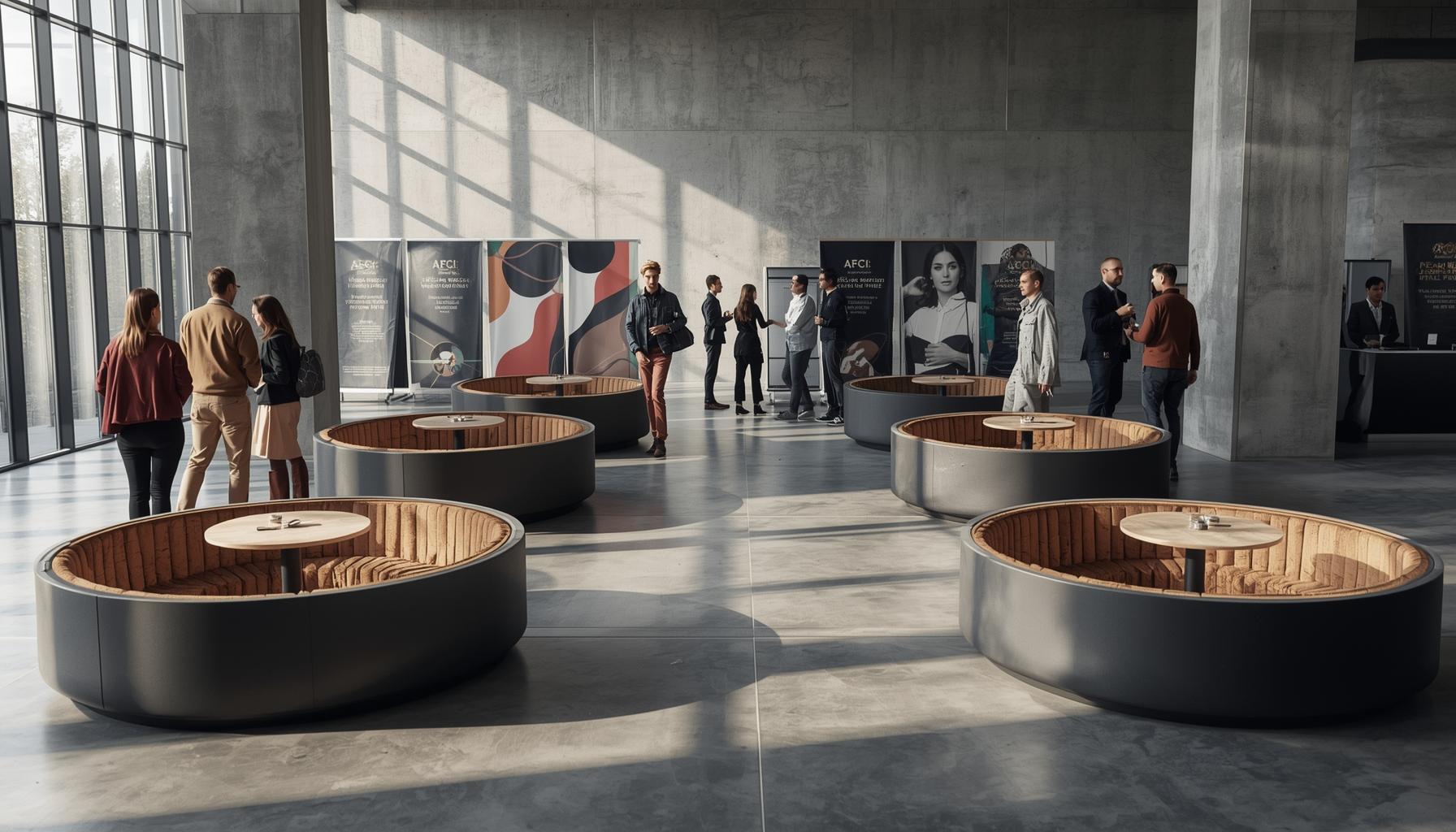
Clear objectives streamline activity. Set measurable goals such as the number of pre-scheduled meetings, target regions for scouting, and specific vendors to evaluate. Research attendees and exhibitors in advance by reviewing the program, exhibitor directory and delegate list. Craft an elevator pitch that states who is represented, the current project stage and the exact request, such as "seeking urban streetscapes for a period drama, willing to consider fee structures and local incentives."
Essential materials must be ready and accessible. Physical business cards remain useful for quick exchanges. Portfolios and visual reels should be prepared both in print and as cloud links for immediate sharing. A concise one-sheet highlighting project specs, timeline and key contacts increases conversion rates.
Use social channels to signal presence. Announce meetings on professional networks and tag organization handles when appropriate. Pre-schedule crucial meetings via the event scheduling tools and confirm times two days prior.
- Business cards, one-page project briefs and a short reel link
- Mobile charger, lightweight portfolio, and printed crew references
Effective In-Person Techniques and Follow-up
Approach new contacts with a direct, respectful opener that names mutual context, for example referencing the exhibitor or prior communication. Active listening matters; note constraints such as permit windows or union considerations and reflect them back. Offer concrete value rather than only requesting help, such as offering a location intro in exchange for production services or scheduling a scout walk-through immediately after the Show.
Manage follow-up expectations on site by agreeing on next steps and timing. Use the event scheduling tool and calendar integration to lock follow-up meetings. Digital contact management and electronic business cards reduce lost details and speed post-event outreach. Virtual meeting links prepared in advance reduce friction for follow-up conversations.
- Conversation starters: question about recent regional projects, inquiry on incentive timelines, or a quick request for available location reels
Turning Contacts into Collaborations and Measurement
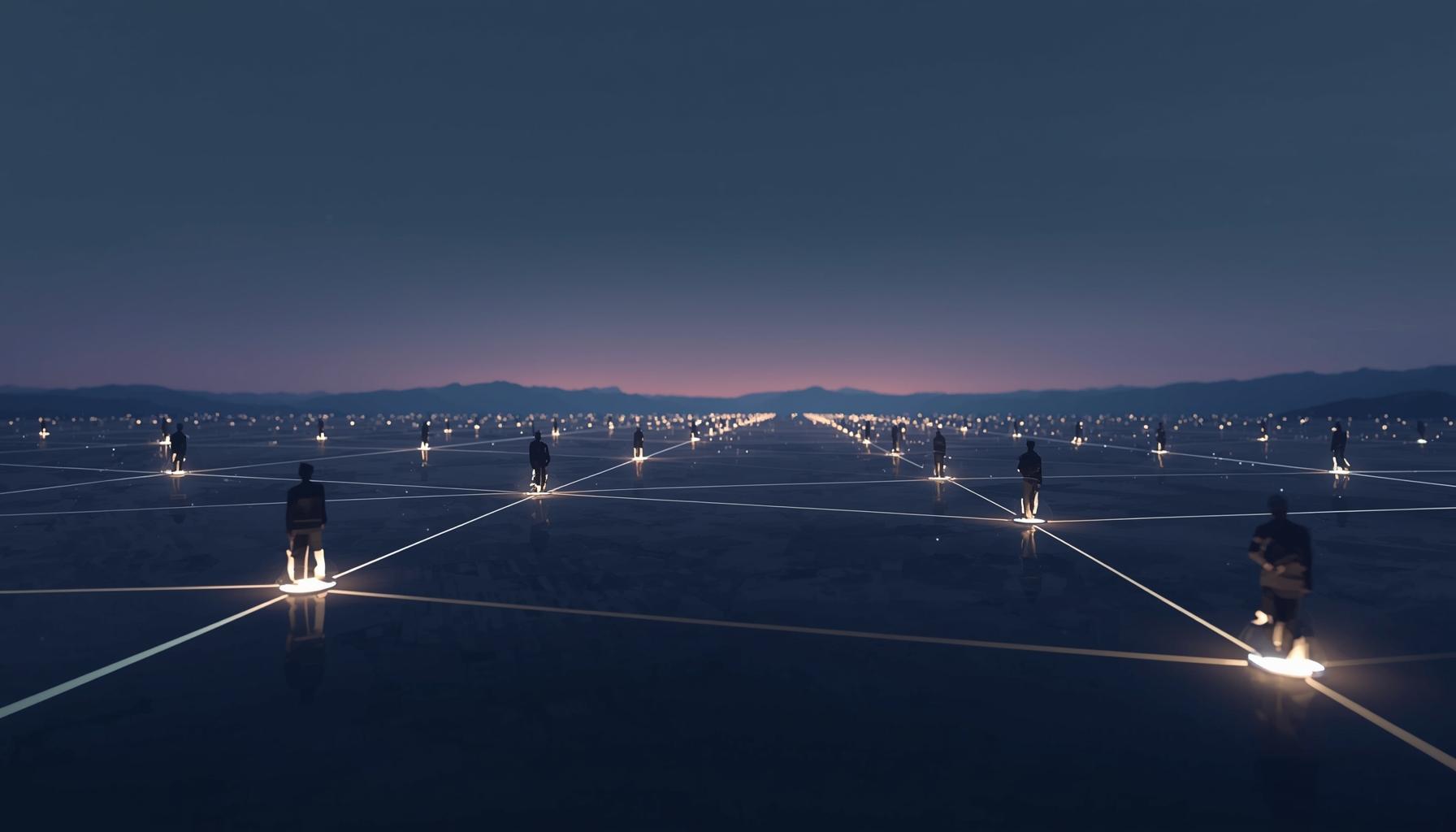
Identify partners whose strengths complement project needs. Informal pitches during the Show often open doors but should be followed by concise proposals and availability windows. Coordinate scouting walkthroughs within two weeks of initial contact to keep momentum. Measure networking return by tracking leads created, meetings scheduled, scouting visits completed and agreements executed within six months. Qualitative measures include introductions to additional decision makers and invitations to co-develop incentive packages.
Historically, successful matches arise when a producer, local film office and facility agree on a fast timeline and share transparent cost structures. Track conversion percentages from initial contact to signed agreement and maintain a centralized CRM to compile notes, deadlines and deliverables.
Accessibility, Etiquette, and Long-Term Value

Create welcoming interactions by requesting accessibility options in advance and offering sensory-friendly meeting times for neurodiverse attendees. Ensure mobility needs are accommodated when scheduling offsite visits. Maintain professional conduct by respecting time allocations, honoring confidentiality when asked, and accepting declines gracefully. Difficult conversations about budgets or creative limits should be direct yet constructive.
Maximize long-term value through consistent follow-up, periodic check-ins and by delivering on promised introductions or documents. Build a personal roadmap for future Show participation that documents relationship stages, target next steps and annual goals for conversion and collaboration.